
Grinding, sharpening, honing, deburring, polishing
5 machines in stock
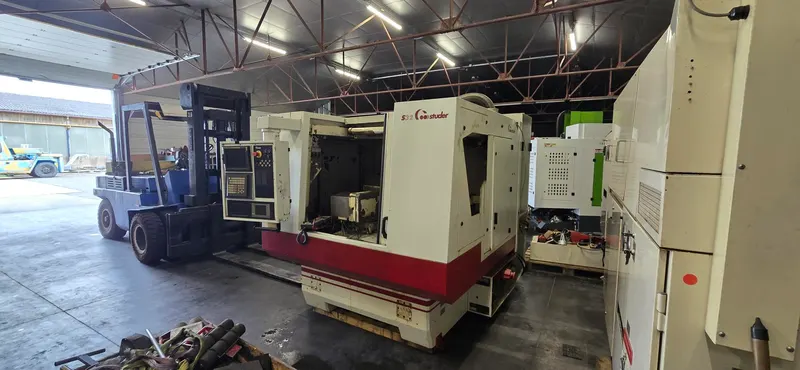
Studer S32
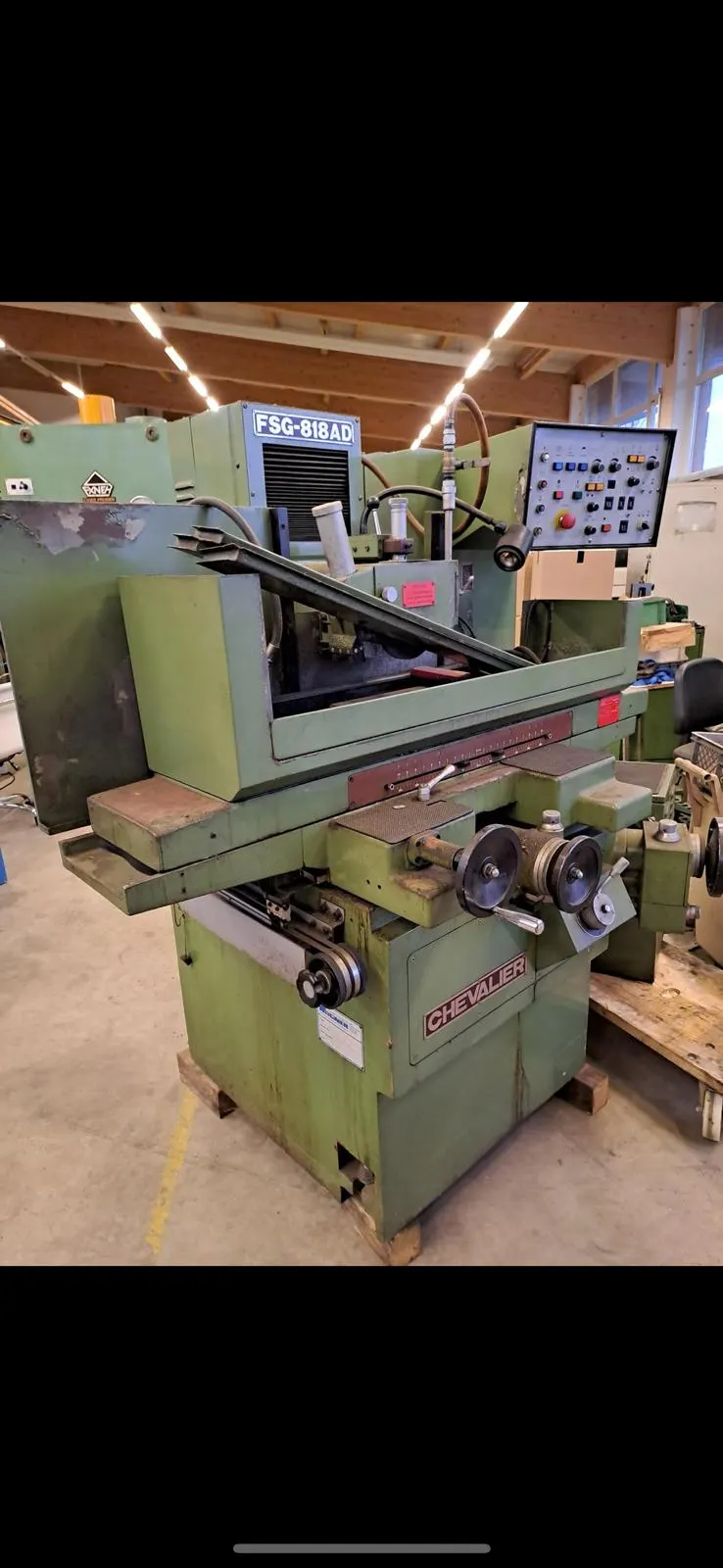
Chevalier FSG 818 AD
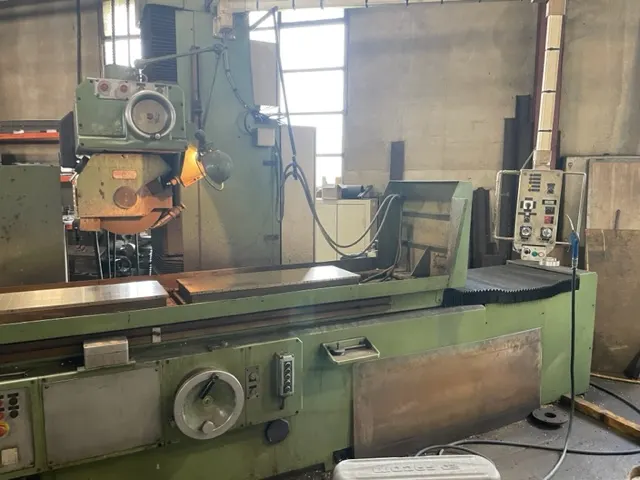
Cantaluppi 2100 X 450
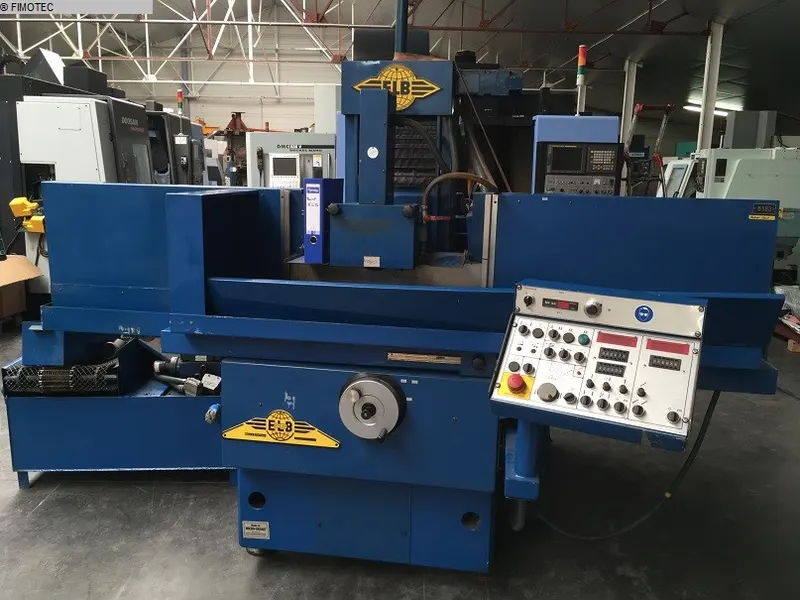
ELB OPTIMAL 4250 NC-K
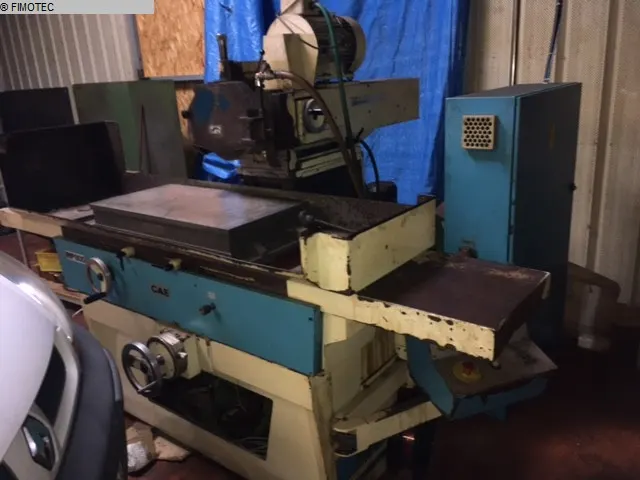
SIT RP 800
Manufacturers in stock


About: Grinding, sharpening, honing, deburring, polishing
Surface and cylindrical grinders, tool grinders, honing machines, deburring and polishing machines: abrasive machines for dimensional precision, surface finish and part finishing.
Grinding removes material by abrasion, with a wheel whose every grain cuts a small chip. It is mainly a finishing operation: it removes little material and is used when the part needs high accuracy of shape and dimension and low roughness. Honing, deburring and polishing are other abrasive processes, focused on bore geometry, edges or surface appearance.
A surface grinder moves the part back and forth under the wheel, often holding it on a magnetic chuck. A cylindrical grinder rotates the part, between centres or centreless, for shafts, tubes, rings and bushings; an internal grinder works on bores. A tool and cutter grinder sharpens milling cutters, drills and other cutting tools; in CNC form, often with 5 axes, it also produces new tools. A honing machine rotates and reciprocates abrasive stones in a bore to correct its shape and surface finish. Deburring machines, for example with an abrasive belt, remove burrs, and polishing machines smooth surfaces.
For a used grinder, compare the grinding area, or for cylindrical work the diameter and length accepted; the wheel, whose diameter governs its rotation speed; how finely the head and table can be positioned, by vernier handwheel or CNC; the dressing device, which resharpens and trues the wheel; and the coolant, which keeps the part from overheating.
- Entry level
- Production machine
Frequently asked questions
Why does wheel dressing matter?
As the wheel works, its grains get dull and its pores can load up with material. Dressing removes the worn grains to expose fresh ones, cleans the wheel and makes it concentric again, which limits vibration and improves surface finish. It is usually done with a diamond tool, with a single diamond or several. On a grinder, check that a dressing device is fitted and in good condition.
Surface or cylindrical grinder?
A surface grinder works on faces: the part, often held on a magnetic chuck for steel, moves back and forth under the wheel. A cylindrical grinder rotates the part past the wheel to form a cylinder; it comes in between-centres and centreless versions and is used for shafts, tubes, bearing races and bushings. Bores call for an internal grinder; some parts need several of these machines.
Grinding or honing?
Grinding removes material with a wheel to bring the part to size and shape. Honing is a finishing step, with abrasive stones held under pressure that rotate and reciprocate in the bore: it mainly corrects geometric form, also improves surface finish and can leave a cross-hatch pattern that retains oil, as in engine cylinders. It is also used for gears and air bearing spindles.
How do delivery and installation work?
The machines are stored in Haguenau, France. Loading, transport, positioning and recommissioning depend on the machine and on your workshop: give your address and access constraints in your request to get the applicable terms.
Can you take my current machine in part exchange?
Part exchange is considered case by case. Describe the machine in your request (brand, model, year, control, condition, photos): you will get an answer on whether and how it can be taken back.