
Turning
19 machines in stock
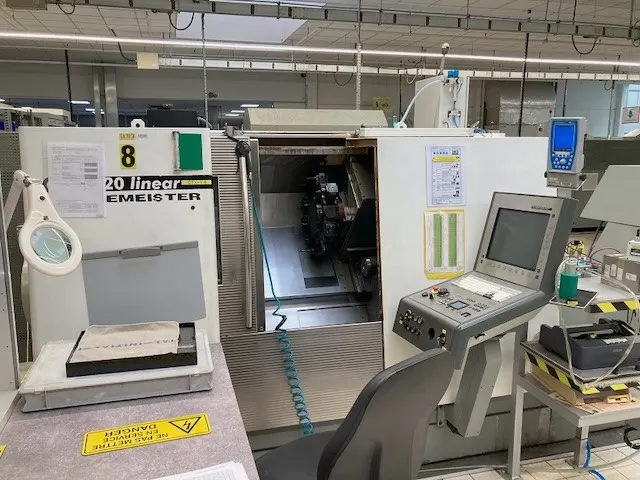
Gildemeister CTX 320 LINEAR
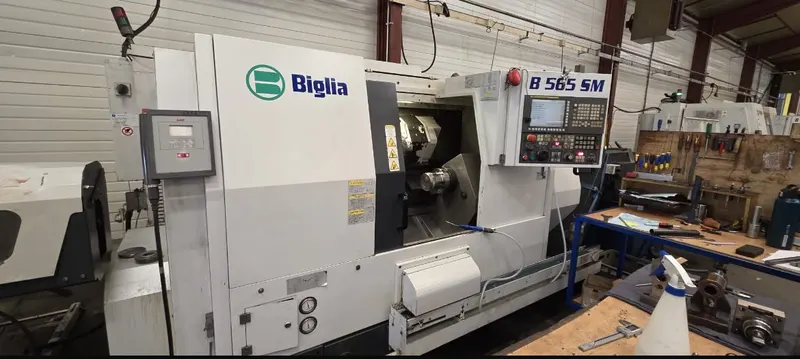
Biglia B565-SM
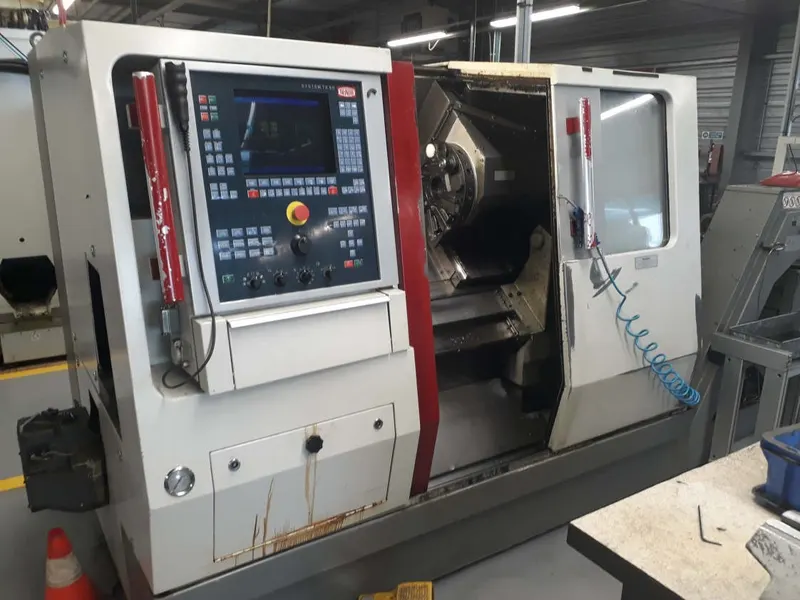
Traub TNA 300
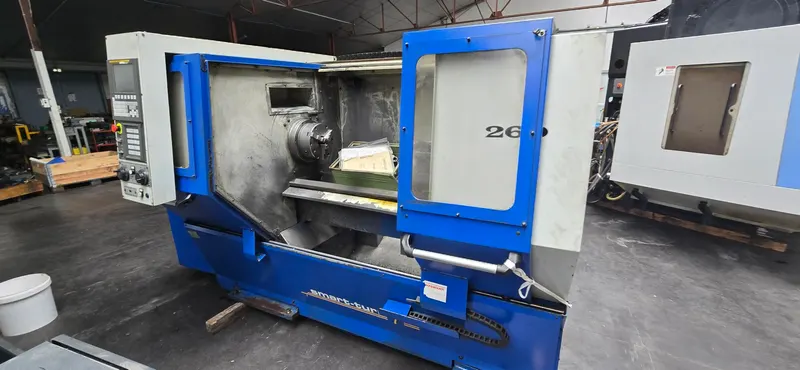
Pinacho Smart Turn 260
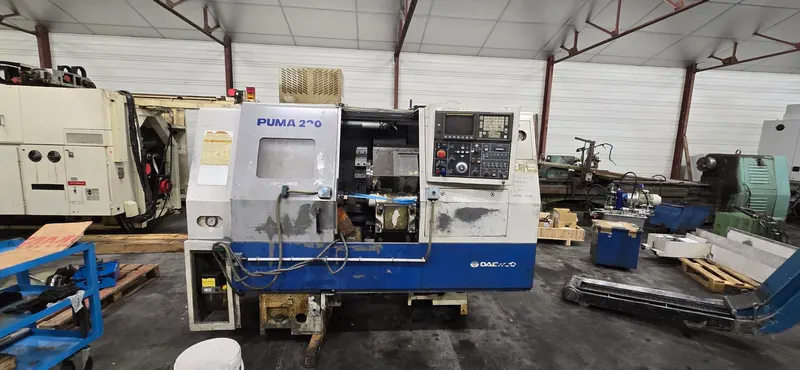
Doosan PUMA 200A
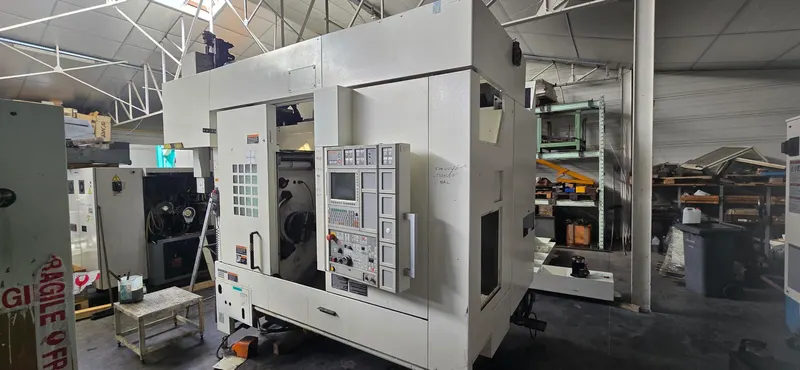
Mori Seiki NL 2000/500
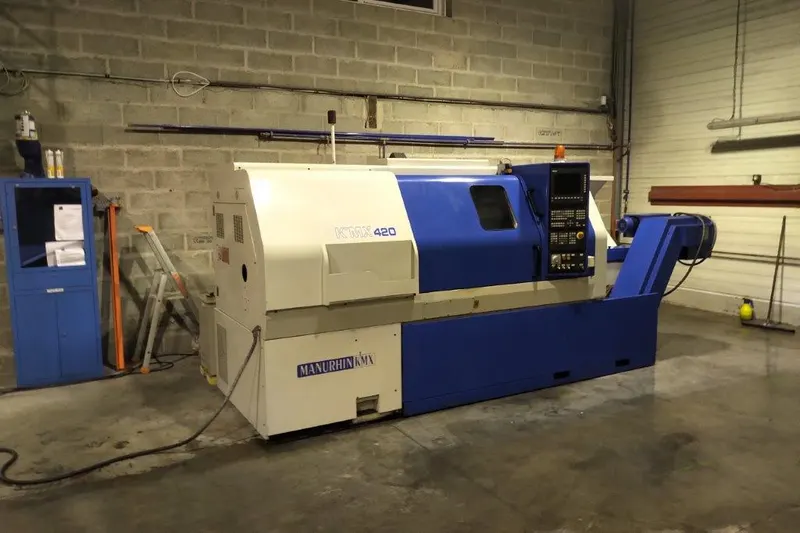
Manurhin KMX 420
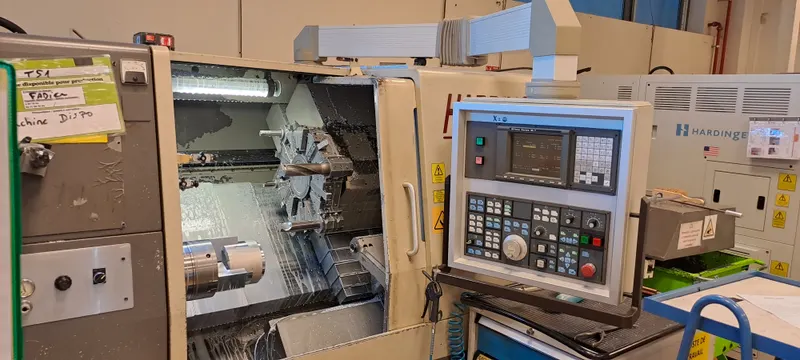
Hardinge CONQUEST T 51
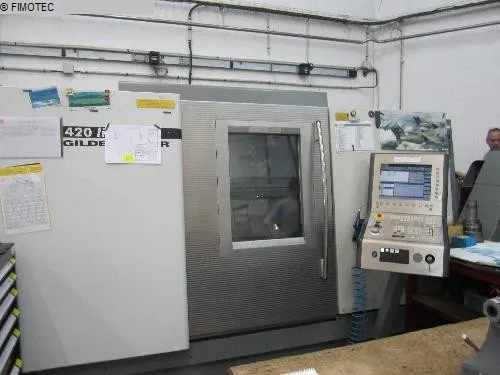
Gildemeister CTX 420 LINEAR
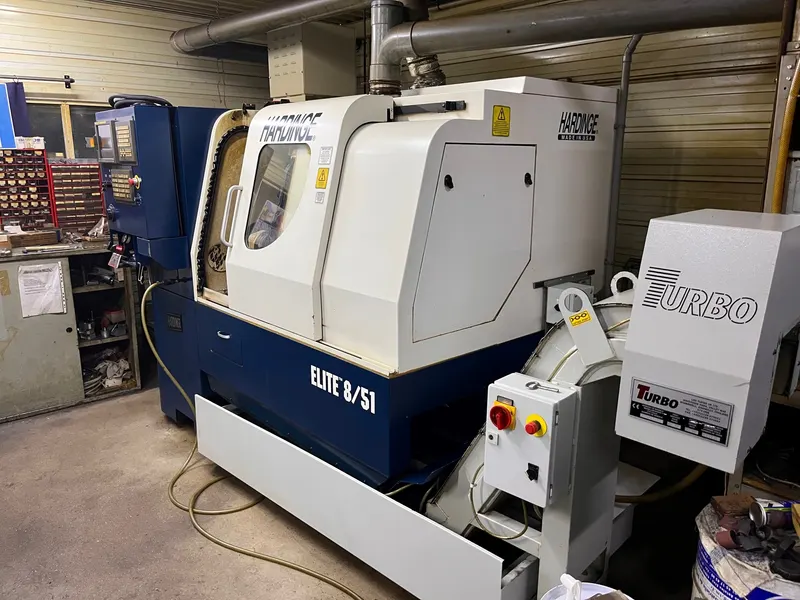
Hardinge ELITE 8/51
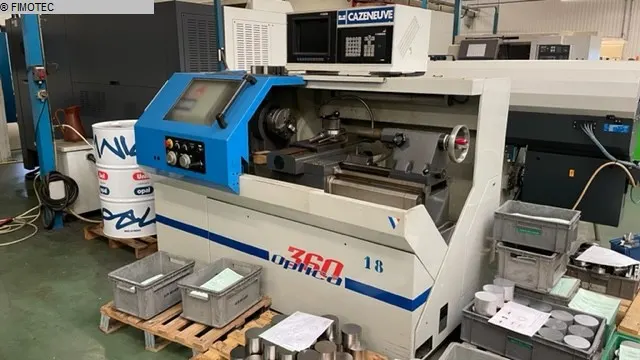
Cazeneuve OPTICA 360
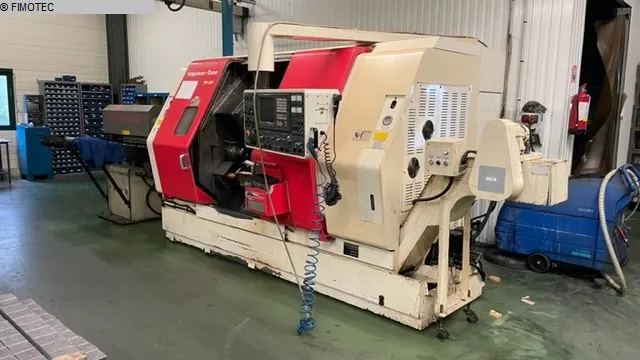
Nakamura TW 20 MMY
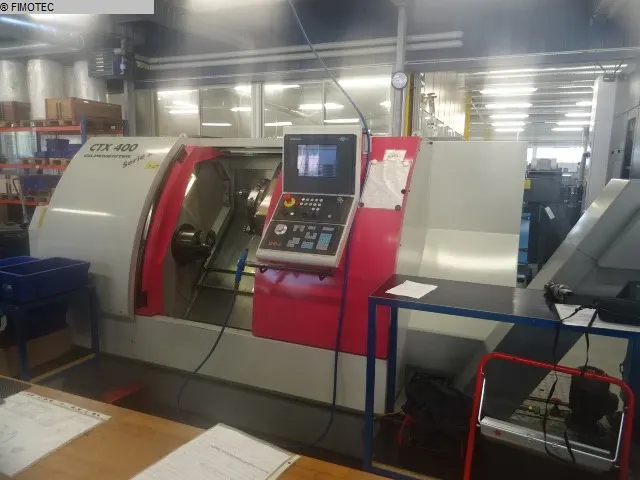
Gildemeister CTX 400
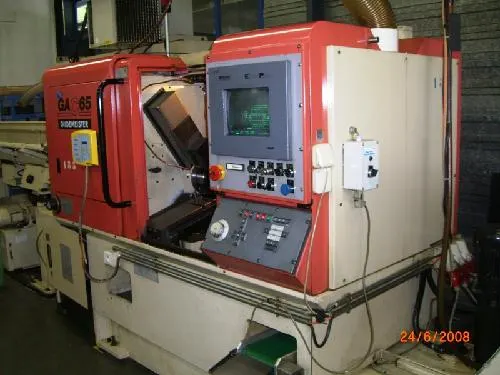
Gildemeister GAC 65
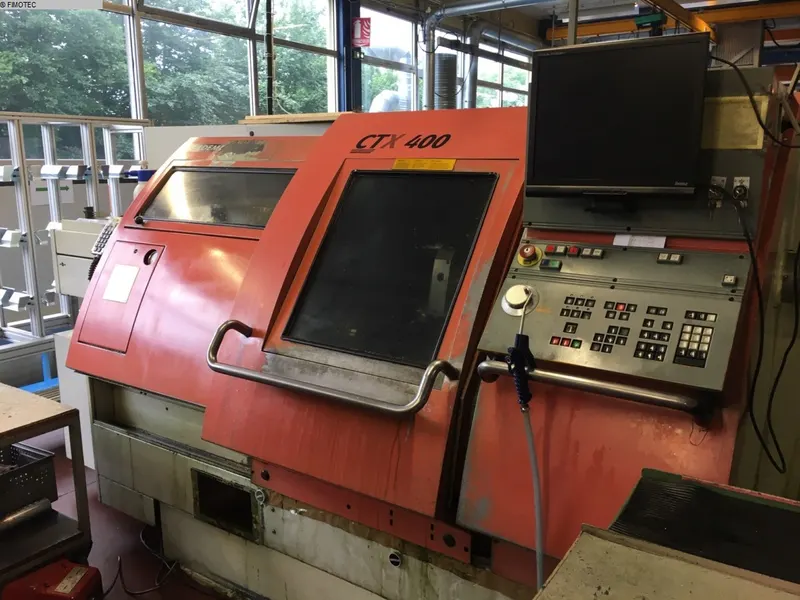
Gildemeister CTX 400
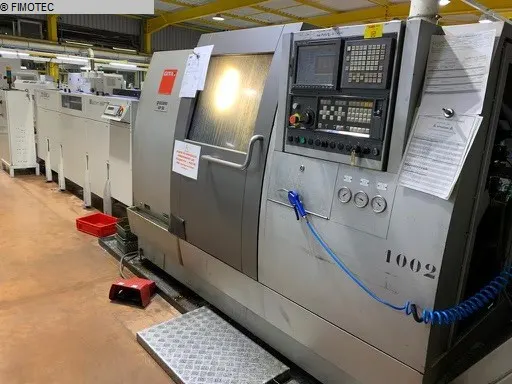
Gildemeister GRATZIANO GP 50
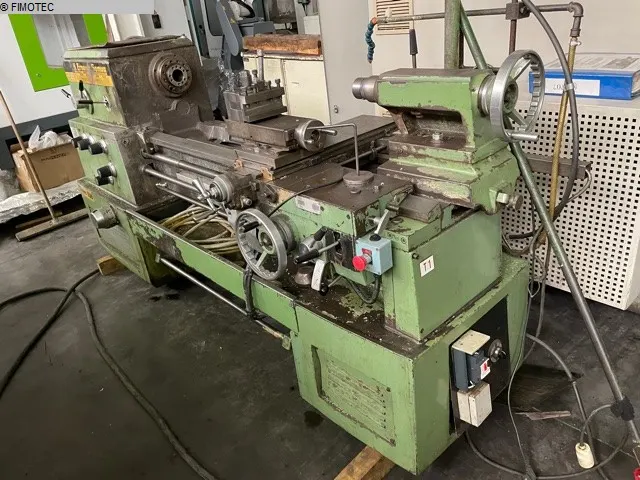
Ernault-Somua Cholet 550
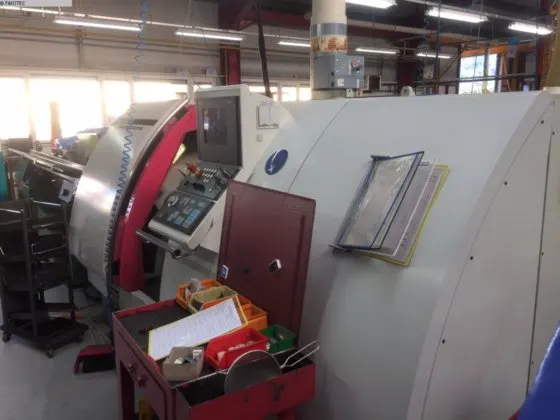
Gildemeister CTX 400
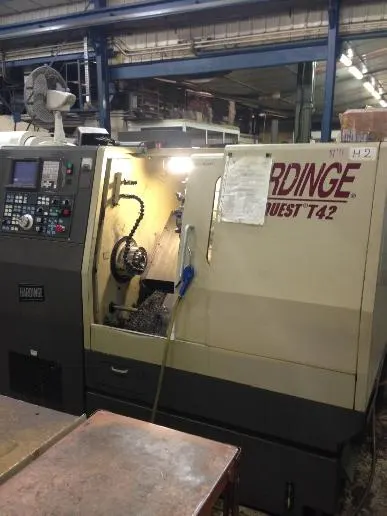
Hardinge CONQUEST T 42
Manufacturers in stock


About: Turning
Conventional lathes, CNC lathes, turning centres and sliding-head lathes: machines where the workpiece rotates and the tool removes material, for round parts from one-offs to large series.
Turning produces round parts: the workpiece, driven by the spindle, rotates while the tool moves to remove material. Common operations are longitudinal turning, facing, boring, threading and parting off. On a conventional lathe the operator controls the movements; on a CNC lathe a program runs them, which makes repeat batches easier.
A turning centre adds driven tools and a C axis to the turret: the C axis positions the spindle at a given angle, so the machine can drill, tap or mill off the part's axis. A Y axis extends this work to more complex shapes, and a counter-spindle takes over the part to machine its back face, so it can be finished without another machine. The sliding-headstock lathe, known as Swiss-type, is widely used for bar turning of small parts: the bar, held in a collet and supported by a guide bushing, moves past tools placed close to the support point, which suits long, slender parts made in large series.
A lathe's capacity is read as follows: the swing over bed, twice the centre height, and the often smaller swing over carriage; the distance between centres; the bar capacity, set by the bore of the hollow spindle, for bar work with a bar feeder. Then come the number of turret positions, driven tools, C and Y axes and the counter-spindle.
- Entry level
- Production machine
- High performance
Frequently asked questions
What does the swing over bed mean?
It is the largest diameter that can rotate without touching the bed; it equals twice the centre height. It is not the diameter you can machine: the chuck jaws often stand out beyond the part, and outside turning takes place over the carriage, where the swing is often much smaller. Compare your parts with the swing over carriage, with the chuck and turret fitted.
Fixed-headstock or sliding-headstock lathe?
On a fixed-headstock lathe, the part is clamped in the chuck and the tool moves along it. On a sliding-headstock (Swiss-type) lathe, the bar, held in a collet, moves back and forth through a guide bushing, past tools that stay at a constant distance from the support point. The part is supported right next to the cut: this lathe suits long, small-diameter parts that would deflect on a fixed-headstock lathe.
What bar capacity do I need?
For bar work, the material passes through the hollow spindle: the spindle bore, or bar capacity, sets the largest usable diameter, together with the chuck or collet that clamps the bar. A bar feeder then supplies the lathe with bars automatically; its diameter range and the bar length it accepts must match the lathe. Choose the bar capacity from the largest bar diameter your parts need.
How do delivery and installation work?
The machines are stored in Haguenau, France. Loading, transport, positioning and recommissioning depend on the machine and on your workshop: give your address and access constraints in your request to get the applicable terms.
Can you take my current machine in part exchange?
Part exchange is considered case by case. Describe the machine in your request (brand, model, year, control, condition, photos): you will get an answer on whether and how it can be taken back.