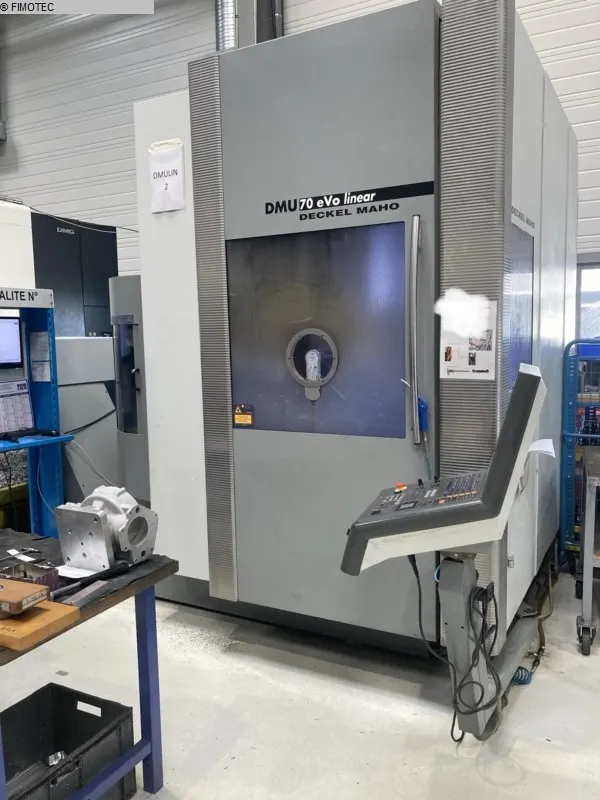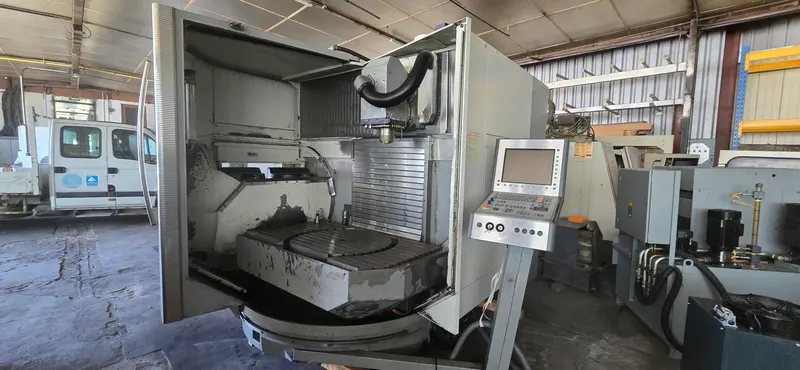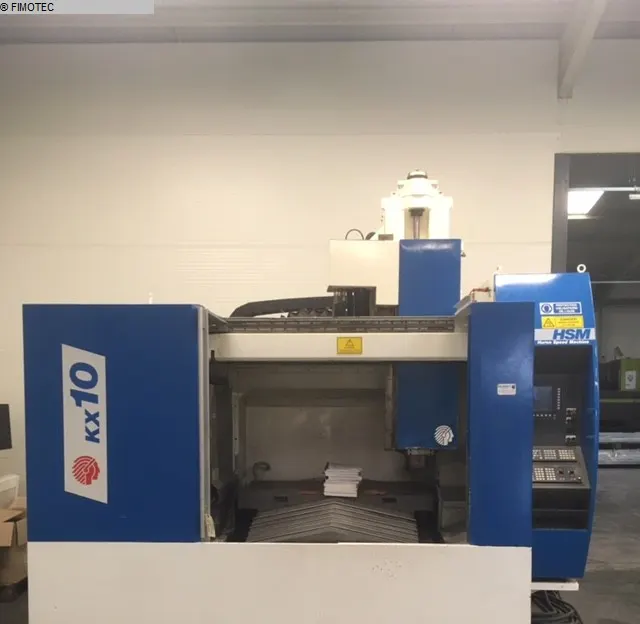
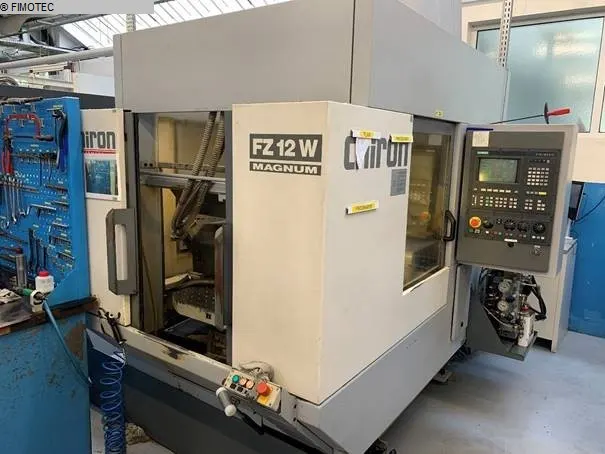
A machine tool that is no longer used, a shop being reorganised, a purchase that frees up floor space: selling a machine or trading it in takes a little preparation. The more complete the description, the more precise the answer can be. Here is how a request works on our website, the information and documents to gather, and what French regulations say about transferring used work equipment.
The request, step by step
The "Sell your machine" form is used both to offer a machine for sale and to ask for a part exchange. It asks for:
- the brand, model and year of manufacture;
- the type of machine and the CNC control;
- the condition: in production, working but stopped, needs servicing or out of order, out of service for parts;
- where the machine is located;
- equipment and remarks (options, accessories, running hours, availability date);
- photos, up to ten.
We then study the request from the description and photos, and we reply by email or phone within 48 working hours. Part exchange, for example when buying another machine, is studied case by case. Transport can be arranged on request.
Gathering the documentation
The documentation goes with the machine when it changes hands. Before filling in the form, gather what exists:
- the instruction handbook and the operating and programming manuals;
- the electrical diagrams;
- for a CE-marked machine, the original EC declaration of conformity; for an older machine, any compliance documents drawn up during previous transfers;
- backups of the CNC control (programs, parameters), if any;
- maintenance or service reports, if any.
These documents are not a formality: the regulations require some of them to be handed over to the new owner (see below), and they allow the next user to operate the machine and train their staff.
Useful photos
Good photos save a lot of back and forth. Remember to photograph:
- the nameplate, legible, with the brand, model, serial number and year;
- the CNC control, with the screen on if possible;
- the spindle and spindle nose;
- the table or chuck, and the condition of the visible slideways;
- an overall view of the machine in its surroundings;
- the accessories supplied with the machine.
Running hours and list of equipment
If the control shows an hour meter, note it and photograph the screen. Then list the equipment that goes with the machine: chucks, tool holders, tapers, indexing table or rotary axis, bar feeder, chip conveyor, probes, coolant unit. The "Equipment and remarks" field of the form is there for this.
Disconnection, dismantling and rigging
A machine tool has to be disconnected, possibly dismantled, lifted and loaded. To prepare this step, state:
- access to the machine: door widths, floor level, overhead crane or loading dock;
- weight and dimensions, taken from the handbook or nameplate;
- whether the machine is anchored to the floor or connected to other equipment (bar feeder, extraction, conveyor);
- the date from which it can be shut down.
INRS, the French occupational safety institute, points out that a specific risk analysis is needed before dismantling, and that these operations must follow the manufacturer's instructions in the instruction handbook. If there is no handbook, the useful information can generally be obtained from the manufacturer.
What French regulations say
The French Labour Code (Code du travail) governs the transfer of used work equipment.
- Used machine: any work equipment that has already actually been used in a Member State of the European Community and is exhibited, offered for sale, sold, hired out, made available or transferred in any way (article R. 4311-2).
- Certificate of conformity: when used work equipment is sold, hired out or transferred for use, the person responsible for the operation gives the new owner a certificate of conformity stating that the equipment complies with the technical rules applicable to it (article R. 4313-14).
- Which technical rules? According to INRS, those that applied when the machine was first placed on the market. They therefore depend on the date the machine was first put into service and on where it comes from: older non-CE machines fall under articles R. 4324-1 and following, CE machines under Annex I referred to in article R. 4312-1.
- Documents: for a CE-marked machine, the seller also supplies the original EC declaration of conformity, and the instruction handbook must be handed over. For an older machine, handing over the handbook, when it exists, is strongly recommended.
- CE marking: a CE-marked machine keeps its original marking when sold second-hand; the transferor must not affix a CE marking to a machine subject to articles R. 4324-1 and following.
- At every transaction: the certificate attests conformity on the date it bears and must be renewed at each sale, hire or loan.
According to INRS, on the buyer's side, the declaration or certificate supplied by the seller is only a presumption of conformity: the buyer must also make sure the machine complies.
These points are general: for a specific case, the INRS ED 113 sheet and the Labour Code articles on Légifrance are the reference.
In short
- Gather the documentation, photos and list of equipment.
- Fill in the "Sell your machine" form, giving the brand, model, year, control and condition.
- We study the request from the description and photos.
- We reply within 48 working hours, by email or phone; part exchange is studied case by case, and transport can be arranged on request.